Source Waterproof Mini NFC RFID Tag for Access Control
Find 30 waterproof mini nfc rfid tag options for access control, loyalty programs, and asset tracking. Compare passive ISO14443A and 860-960 MHz models with NTAG213 chips, PVC or ABS materials, and CE/RoHS certifications from Guangdong suppliers; compare the available evidence and request quotations based on your requirements.
Key considerations
Products List




Comprehensive Sourcing Guide
Waterproof Mini NFC RFID Tag Sourcing Guide
Procuring waterproof mini NFC RFID tags requires careful evaluation of the specific environmental conditions where the tags will operate, as the supply chain offers diverse solutions ranging from passive cards to specialized anti-metal PCB tags. Buyers must distinguish between tags designed for general electronic product identification and those engineered for harsh outdoor exposure, noting that observed listings frequently highlight weatherproof capabilities alongside compact dimensions. The market presents options with varying chip types, such as NTAG213, which influence read distances and memory capacity, necessitating a clear definition of the intended use case before engaging with suppliers.
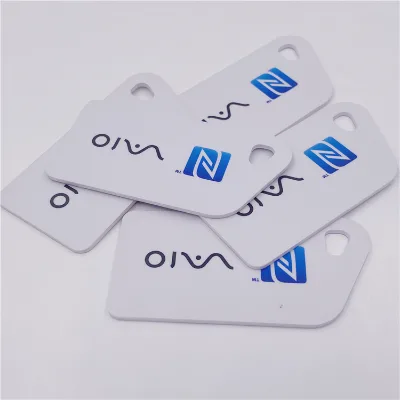
The physical form factor is equally critical, with observed product attributes indicating a prevalence of rectangular shapes and specific dimensions like 55x28x0.88mm for card-style tags or smaller diameters for key tags. While some listings specify materials like PVC or ABS, others offer customization for size and color, allowing buyers to align the tag's appearance with brand identity or functional requirements. It is essential to verify whether the tag supports the required protocol, such as ISO14443A or 860-960 MHz, to ensure seamless integration with existing readers and access control systems without compatibility issues.
Product Scope and Observed Listing Signals
The current market landscape for waterproof mini NFC RFID tags reveals a wide spectrum of product configurations, including passive cards, key tags, and anti-metal PCB variants that serve distinct industrial and consumer needs. Buyers should observe that product listings often emphasize customization availability, allowing for specific printing methods like CMYK offsetting or silkscreen printing to meet branding needs. The presence of free samples for testing is a common signal in the market, enabling procurement teams to validate performance characteristics such as read range and durability before committing to larger orders.
Listing signals also indicate significant variation in packaging and shipping units, ranging from single items to bulk cartons containing hundreds of pieces, which impacts logistics planning and inventory management. Some products are explicitly marketed for access control and loyalty applications, while others focus on general identification functions with serial number embossing or laser coding. Understanding these distinctions helps buyers filter through the noise of generic listings to find tags that match their specific operational requirements, ensuring that the selected product aligns with both technical and commercial expectations.
Technical Specifications to Verify
Technical verification must begin with the communication interface and frequency, as observed listings specify frequencies ranging from 125kHz to 13.56MHz and even 860-960MHz depending on the tag type. Buyers need to confirm that the selected tag supports the correct protocol, such as ISO14443A or ISO11785, to ensure compatibility with their existing reader infrastructure. The chip type, often cited as NTAG213 or customizable alternatives, dictates the memory capacity, which can vary from 48 bytes to 144 bytes, directly affecting the amount of data that can be stored or rewritten on the tag.
Physical durability and construction are equally vital, with specifications highlighting materials like ABS or PVC and features such as waterproof and weatherproof ratings. The power supply mode is consistently passive, meaning the tag relies on the reader's field for operation, which simplifies design but requires verification of the read distance under real-world conditions. Buyers should also inspect the surface finish, noting options like glossy, matte, or frosted textures, and confirm the standard dimensions, such as 36x13x3mm or specific diameters, to ensure the tag fits the intended application without interference.
Compliance and Safety Documentation
Compliance documentation is a non-negotiable aspect of sourcing, with observed product attributes frequently listing certifications such as CE, RoHS, and FCC to demonstrate adherence to international safety and environmental standards. Buyers must request valid certification documents from suppliers to verify that the tags meet the regulatory requirements of their target markets, particularly for electronic products that may be sold globally. The presence of these certifications indicates that the manufacturer has undergone testing for electromagnetic compatibility and hazardous substance restrictions, reducing the risk of regulatory non-compliance during import or sale.
In addition to product certifications, buyers should verify the supplier's adherence to quality management standards, although specific standard numbers may vary by manufacturer. The documentation should also cover the manufacturing process, including details on laser coding, serial number generation, and thermal printing methods used to ensure data integrity and traceability. Ensuring that the supplier provides comprehensive compliance records helps mitigate legal risks and builds confidence in the reliability of the supply chain, especially when dealing with sensitive applications like access control or loyalty programs.
Cost Drivers and Commercial Terms
Cost drivers for waterproof mini NFC RFID tags are heavily influenced by the level of customization, material selection, and order volume, with observed MOQs ranging from 100 pieces to 10,000 pieces depending on the supplier. Buyers should anticipate that custom colors, specific sizes, and specialized printing methods like offsetting or silkscreen will increase the unit price compared to standard white or black options. The complexity of the chip configuration and the required memory capacity also play a significant role in pricing, as higher memory chips or custom chip configurations typically command a premium.
Commercial terms often include flexible packaging options, such as box packing or bulk bags, which can affect shipping costs and handling efficiency. Buyers need to negotiate clear terms regarding sample availability, as many suppliers offer free samples for testing, which can be a valuable tool for validating product quality before finalizing a large order. Understanding the relationship between order quantity and unit price is crucial, as larger volumes often yield better pricing tiers, but the buyer must balance this against inventory holding costs and the specific needs of their project timeline.
Supplier Qualification and Quality Control
Supplier qualification should focus on verifying the manufacturer's location and production capabilities, with observed listings indicating origins in Guangdong, China, a hub for electronics manufacturing. Buyers must assess the supplier's ability to maintain consistent quality across large production runs, particularly when custom specifications like unique sizes or specialized printing are required. The presence of advanced crafting techniques such as laser coding, embossing, and inkjet numbering suggests a mature manufacturing process capable of handling complex customization requests with high precision.
Quality control measures should be explicitly defined in the procurement agreement, including protocols for testing waterproofing, weather resistance, and data integrity. Buyers should request evidence of the supplier's internal quality assurance processes, such as random sampling checks and functional testing of the RFID tags before shipment. Establishing a clear communication channel for addressing defects or inconsistencies is essential, ensuring that any issues are resolved promptly to prevent delays in the supply chain and maintain the integrity of the final product.
Long-Term Procurement Checks
Long-term procurement success depends on establishing a reliable supply chain that can adapt to changing market demands and technological advancements. Buyers should regularly review the supplier's ability to maintain consistent quality and delivery times, especially when scaling up production volumes or introducing new product variants. The flexibility of the supplier to accommodate custom requests, such as changes in chip type or material, is a key indicator of their long-term viability as a partner.
Continuous monitoring of market trends and technological developments is also necessary to ensure that the selected tags remain relevant and competitive. Buyers should stay informed about updates in RFID protocols and standards, as well as emerging materials and manufacturing techniques that could offer improved performance or cost efficiency. By maintaining a proactive approach to supplier management and market analysis, organizations can secure a stable supply of high-quality waterproof mini NFC RFID tags that meet their evolving operational needs.
FAQs
What certifications do waterproof mini nfc rfid tags have?
These tags typically hold CE, ISO, and RoHS certifications to ensure compliance with international standards. Some models also include FCC certification for broader market acceptance. These credentials verify that the electronic components and materials meet safety and environmental regulations, making them suitable for global distribution and integration into various electronic product systems.
Can I customize the size and color of these tags?
Yes, customization is available for both size and color. Standard dimensions like 36x13x3mm or 55x28x0.88mm can be adjusted to meet specific project requirements. Buyers can also select custom colors, including white or other options, to match their branding. This flexibility allows for tailored solutions in access control and loyalty applications.
What is the minimum order quantity for these RFID tags?
The minimum order quantity varies by supplier and product type, ranging from 2 to 10,000 pieces. Some listings specify an MOQ of 100 pieces for standard items. Buyers should check specific supplier requirements as bulk orders often benefit from better pricing. Free samples are frequently available for testing before committing to larger production runs.
Which chips are used in these waterproof mini tags?
Common chips include NTAG213 and TAG213, which support read/write functions. These chips operate at 13.56 MHz for NFC and ISO14443A protocols. Some variants also support 860-960 MHz for UHF applications. The memory capacity typically ranges from 48 bytes to 144 bytes, providing sufficient storage for identification and data logging tasks.
How are these tags packaged for shipping?
Packaging methods include box packing or bulk bagging. One common method involves 200 pieces per bag, with 100 bags per carton. Single package dimensions are often around 8x5x1 cm. This structured packaging protects the tags during transit and ensures efficient handling. Buyers should confirm specific packing details with suppliers to align with their logistics needs.
What materials are used to make these anti-metal tags?
Materials typically include PVC and ABS for durability and flexibility. PVC tags are often used for card-like applications, while ABS provides robust protection for industrial environments. These materials support waterproof and weatherproof features, ensuring reliable performance in outdoor or harsh conditions. The choice of material depends on the specific application and environmental requirements.